An awe-inspiring tour of bat world by the world’s leading expert
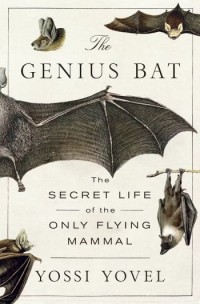
With nearly 1500 species, bats account for more than twenty percent of mammalian species. The most successful and most diverse group of mammals, bats come in different sizes, shapes, and colors, from the tiny bumblebee bat to the giant golden-crowned flying fox. Some bats eat fruit and nectar; others eat frogs, scorpions, or fish. Vampire bats feed on blood. Bats are the only mammals that can fly; their fingers have elongated through evolution to become wings with a unique, super-flexible skin membrane stretched between them. Their robust immune system is one of the reasons for their extreme longevity. A tiny bat can live for forty years.
Yossi Yovel, an ecologist and a neurobiologist, is passionate about deciphering the secrets of bats, including using AI to decipher their communication. In The Genius Bat, he brings to vivid life these amazing creatures as well as the obsessive and sometimes eccentric people who study them–bat scientists. From muddy rainforests to star-covered night deserts, from guest houses in Thailand to museum drawers full of fossils in New York, this is an eye-opening and entertaining account of a mighty mammal. 350 pp. Hardcover. 2025.
By Merlin Tuttle & Danielle Cordon, 2022. Hardbound. Why build bat houses? Because bats are essential. They protect our crops, reduce use of pesticides that can cause cancer and dementia, and even help protect us from mosquito-borne diseases such as West Nile. However, they are in alarming decline, often due to loss of natural roosts.
Armed with this handy guide from Merlin Tuttle's Bat Conservation (MTBC), you can have fun helping both bats and your neighborhood. We summarize decades of discoveries by more than a dozen leading experts to provide step-by-step instructions and diagrams for their favorite designs. Some of their conclusions will surprise you.
Whether you buy or build bat houses, your success will improve when using this guide. Follow the building advice or look for vendors who meet the high standards required to gain MTBC's Seal of Approval. And if you achieve exceptional success, or even unexplained failure, let the authors hear from you at MerlinTuttle.org.
Most of all, enjoy your bats and share your experiences with friends and neighbors!
Dr. Merlin Tuttle has studied and photographed bats worldwide for more than sixty years. He founded and led Bat Conservation International (BCI) for nearly thirty years, then left BCI in 2009 and founded Merlin Tuttle's Bat Conservation (MTBC).
Dr. Tuttle has published his classic research on bats in leading journals, contributed five articles to National Geographic, and lectured at institutions of science, from Harvard and Princeton Universities to the Smithsonian and British Museums. He is recognized as the father of modern bat conservation and is credited with saving the now famous Congress Avenue Bridge bat colony in Austin, Texas from extermination.
His unique photography and communication first led to the global appreciation of bats as safe, invaluable, and even adorable and likable creatures. No one has better demonstrated the power of combining captivating photos with sound science to win friends instead of battles for bats. Nor has anyone better demonstrated how conservation can benefit humans. Tuttle's legendary photos and experience provide invaluable guidance and inspiration that must be preserved and shared for future generations.
Challenging children to use their creativity and imagination, the twenty-eight activities in this book teach children dozens of fun facts about bats, while increasing kids' communication, math, writing, and artistic skills. The book is suitable for ages five through ten.
This creative thinking book promotes awareness and concern for these gentle and beneficial creatures. It is designed to help children think about bats and the issues facing them. By taking the time to foster this understanding in our young conservationists today, we will be saving a place for wildlife tomorrow.
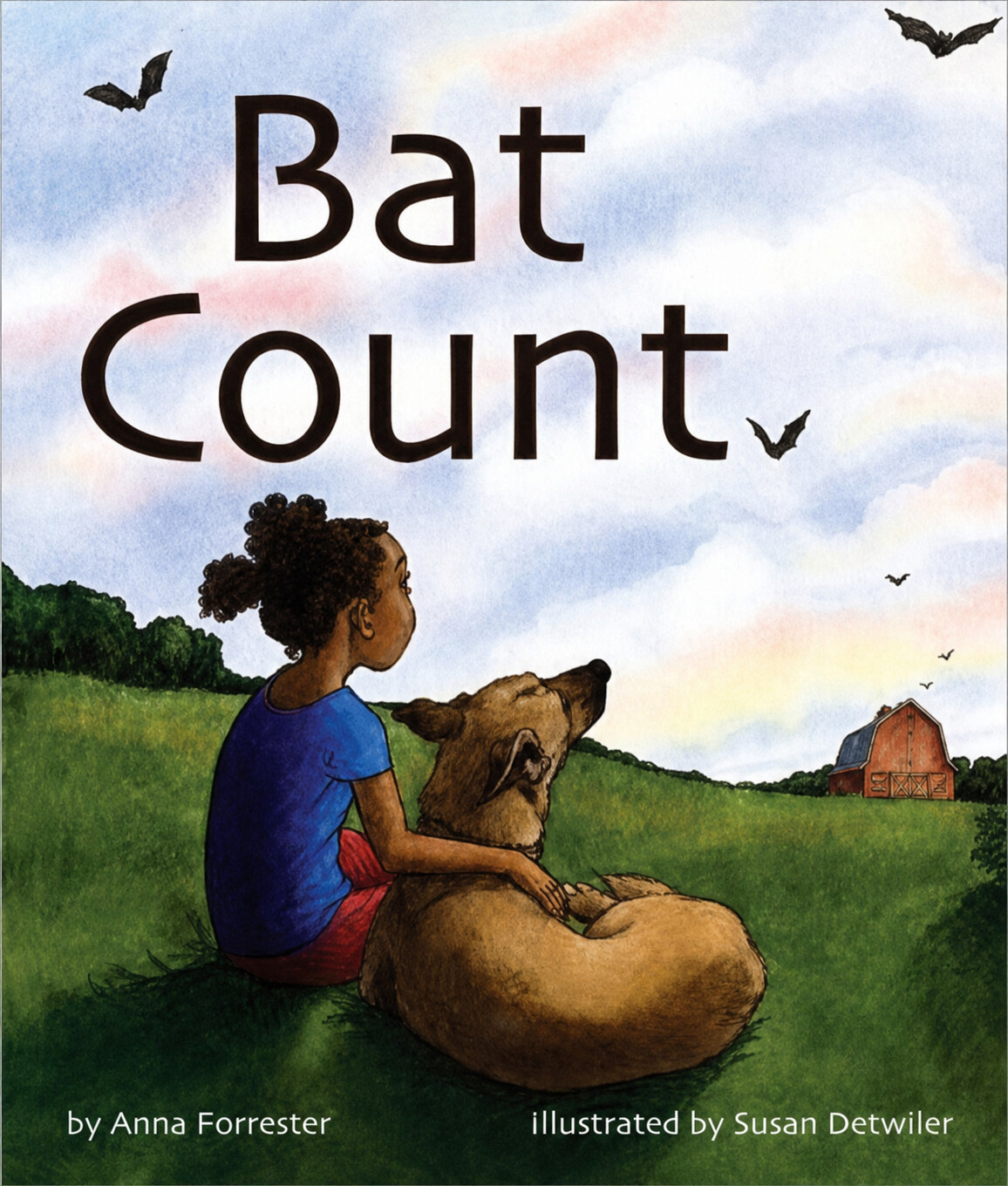
Jojo is prepping for an exciting night; it's time for the bat count! Bats have always been a welcome presence during the summers in the family barn. But over the years, the numbers have dwindled as many bats in the area caught white-nose syndrome. Jojo and her family count the bats and send the numbers to scientists who study bats, to see if the bat population can recover. On a summer evening, the family quietly makes their way to the lawn to watch the sky and count the visitors to their farm.
This work of narrative nonfiction includes a 4-page For Creative Minds section in the back of the book and a 30-page cross-curricular Teaching Activity Guide online. Bat Count is vetted by experts and designed to encourage parental engagement. Its extensive back matter helps teachers with time-saving lesson ideas, provides extensions for science, math, and social studies units, and uses inquiry-based learning to help build critical thinking skills in young readers.
Katie Gillies, Director of the Imperiled Species Program at Bat Conservation International (www.batcon.org), and Catherine J. Hibbard, White-nose Syndrome Communications Leader with the U.S. Fish and Wildlife Service, contributed by verifying the accuracy of the information in this book. 32pp, pb, early reader.
Used copy. Out of print title. The Lives of Bats By D.W. Yalden and P.A. Morris, includes flight, anatomy, food, reproduction, sound, and much more. A good basic but thorough bat book for those who want more than a simple guide book. 1975, 246pp, illus., hb w/dj. 1
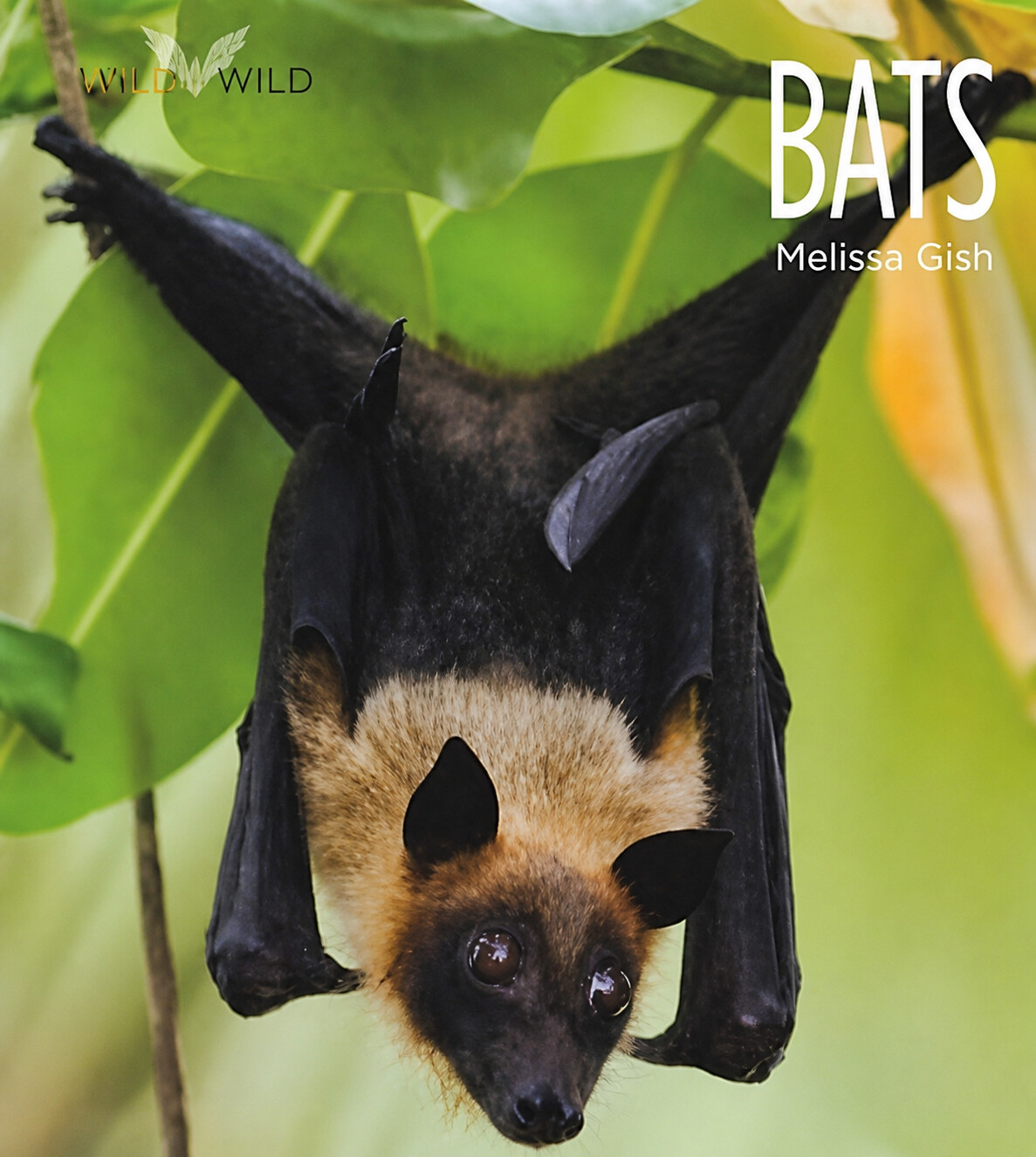
A look at bats, including their habitats, physical characteristics such as their fragile wings, behaviors, relationships with humans, and persecuted status in the world today. By Melissa Gish. 48 pp., sb, 2011
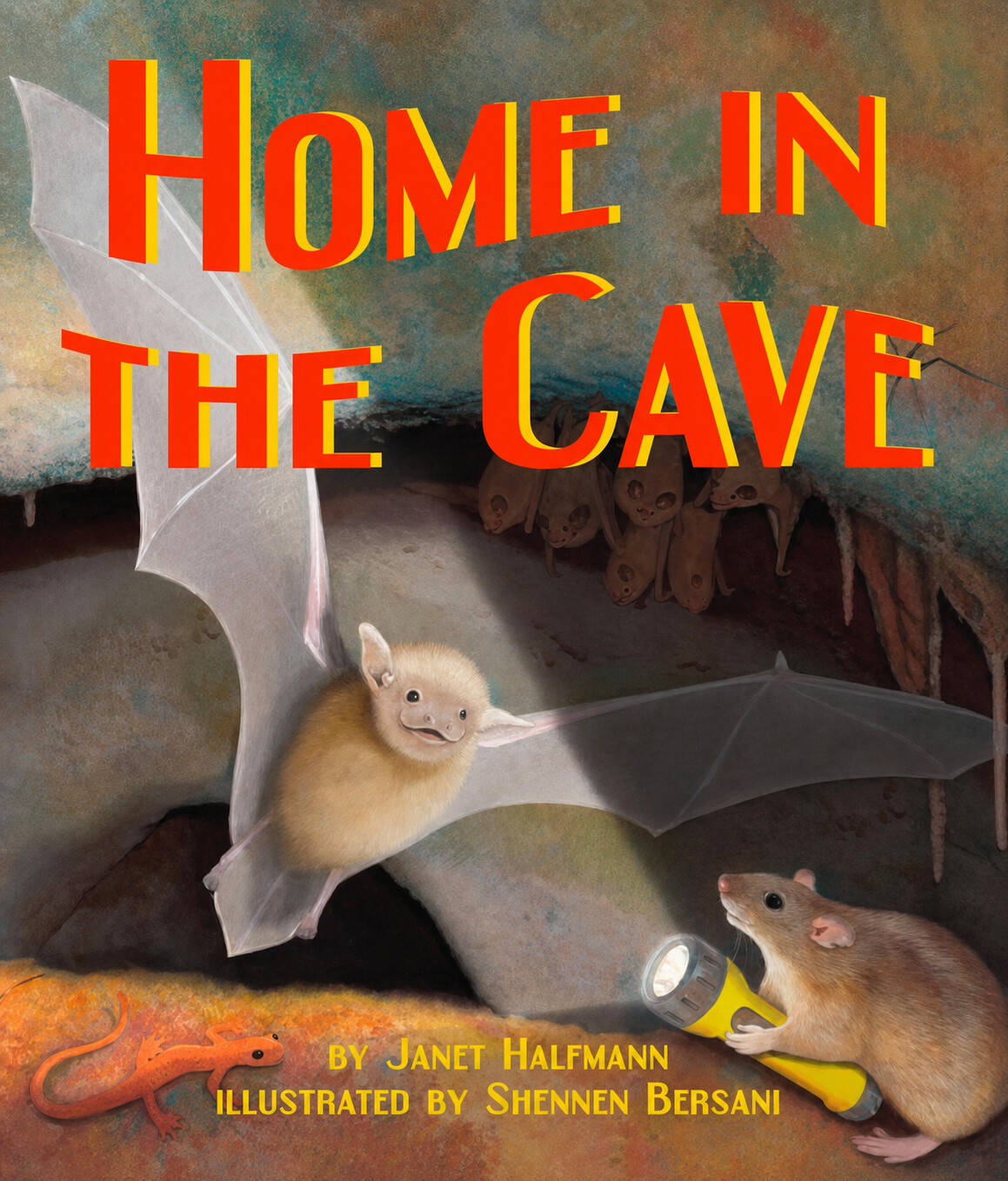
Baby Bat loves his cave home and never wants to leave it. While practicing flapping his wings one night, he falls, and Pluribus Packrat rescues him. They then explore the deepest, darkest corners of the cave where they meet amazing animals--animals that don't need eyes to see or colors to hide from enemies. Baby Bat learns how important bats are to the cave habitat and how other cave-living critters rely on them for their food. Will Baby Bat finally venture out of the cave to help the other animals? Written by Janet Halfmann Illustrated by Shennen Bersani 32 pg, 10 x 8.5, ages 4-9
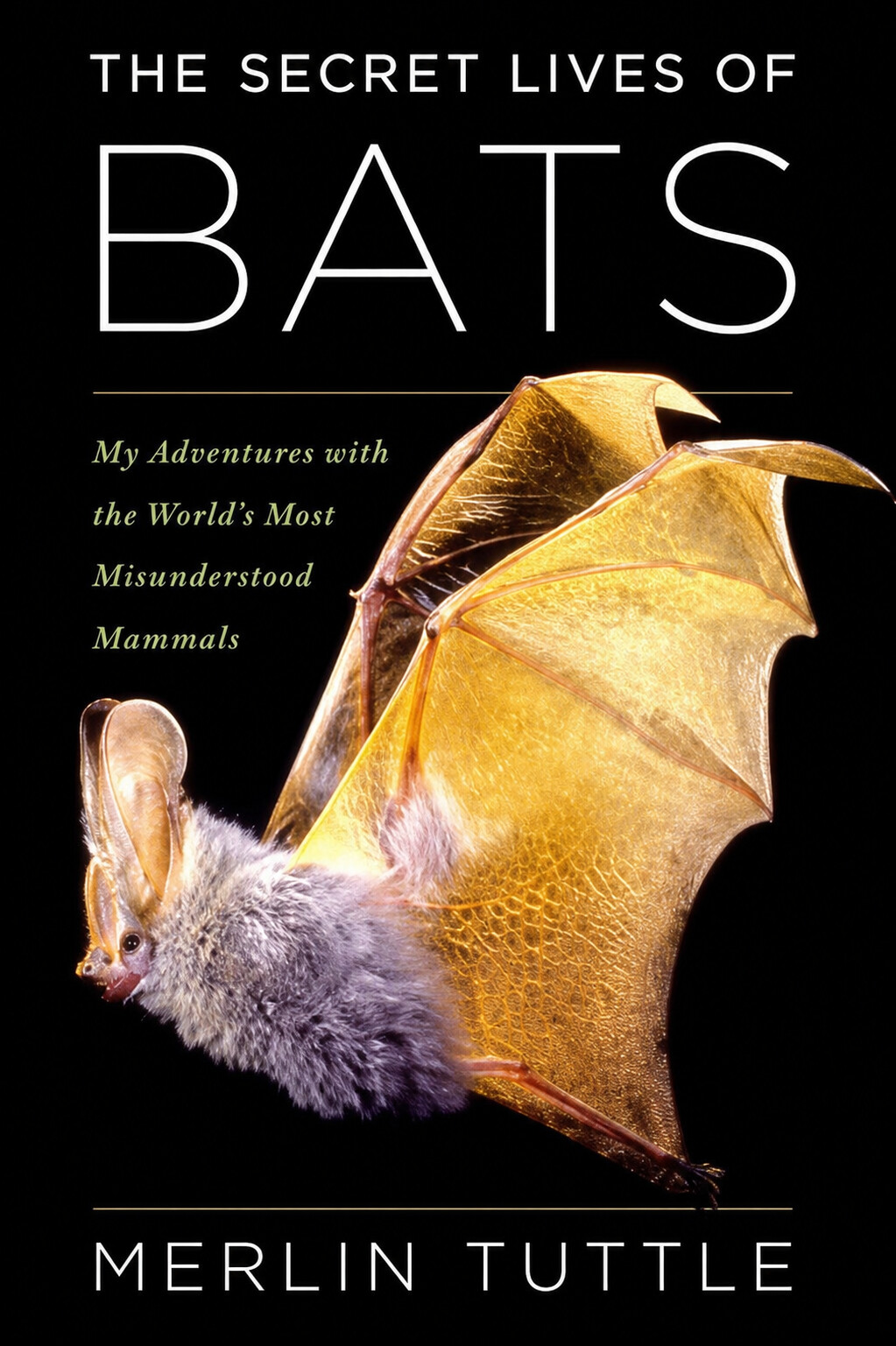
The much anticipated autobiography of Bat Conservation International Founder Merlin Tuttle subtitled "My Adventures with the World's Most Misunderstood Mammals". Paperbound, 256pp, many color photos.
KIRKUS REVIEW
Bats are "sophisticated, beautiful, even cute, quite aside from their crucial roles as primary predators of insects, pollinators of flowers and dispersers of seeds," writes Tuttle, an ecologist who has championed their cause for more than 50 years.
The author's cover stories and photographs have been featured in National Geographic and other magazines, and he has traveled the globe to study bats in their natural cave habitats, risking his life in the process. After obtaining a doctorate in bat biology, Tuttle worked as the curator of the Milwaukee Public Museum. In 1982, he resigned and founded the advocacy organization Bat Conservation International to enlist support for these much-maligned mammals that are in danger of becoming an endangered species. Bats are wrongly accused of destroying crops and spreading diseases such as rabies, and they are confused with their mythical blood-sucking namesakes. Tuttle sets the record straight, showing the important role bats play in pest control and their potential boom for farmers. "A single bat could catch thousands of insects in just one hour," he writes. "Bats ha[ve] a far better record of living safely with humans than even our beloved dogs, and...they also play essential roles in supporting human economies." Using implanted microchips to track their behavior, scientists have established that certain bats are comparable to elephants in their ability to maintain complex social relationships. They have highly sophisticated hunting practices and are altruistic within their groups. Tuttle notes that it is not unusual to find as many as 100,000 bats clustered together hibernating. His fascination with them began when he was 12 and he observed them in a cave near his Tennessee home. Encouraged by his father, who was a botanist, he explored the local caves where bats hibernated and studied their migratory behavior. Tuttle's recent attempts to photograph them in their natural habitat have led him through many hair-raising adventures, which he entertainingly chronicles.
A page-turning memoir of curiosity about--and dedication to--a significant part of the natural world.
First published in 1964, this modern edition of a classic tittle still enthralls both adults and children. Full of wonderful illustrations by Maurice Sendak. The Bat-Poet" is a haunting little story, a parable of charming instruction -- and of instructive charm. It is truly about a bat and at the same time truly about a poet. The animal is real as an animal and the human activity is also real. This union is often asserted or hoped for in current children's books, but not usually achieved. The poetry is not brought in by the back door in a mood of earnest pedagogy. These lovely verses are the kind a reflective, gentle bat would write if he were the poet Randall Jarrell.
At the beginning the little bat is sleeping snugly on the porch with all his fellow creatures. But they move to the barn at the end of the summer and he suddenly does not see why he should go to the barn when he really wants to stay on the porch. He remains on the porch (alienation!) even though he sorely misses the others. And he also begins to feel the free curiosity and adventure of the creative spirit: the little bat stays awake in the daytime and looks about him. He ponders the coarse song of the mockingbird and wonders if he could sing too. He finds that he cannot do very well with the song, but feels drawn toward the creation of the words for songs. The first efforts of the bat-poet are judged adversely by the standard of bare reality, but he continues..
The few poems have a gravity and a melancholy sweetness. The mockingbird is an accomplished technician, able to instruct the bat in his craft. "The next-to-the-last line's iambic pentameter, and the last line's iambic trimeter," he explains at one point. In the most natural way certain critical concepts about poetry and also about the nature of the poet are brought into this little tale. The chipmunk says about poetry that "when it has all the things you do, you can't help liking it." At the end the bat-poet returns to his fellow bats, to sleep snugly with them again. Since it is the purpose of his poetry to tell them about themselves he cannot be separated from them forever or he would become unreal and shallow.
Mr. Jarrell's book is wise and childlike. The child who understands its lessons will be wise and they are easy to understand because they are found in life. The Sendak illustrations are beautiful, dark, wonderfully still and magical, in an old-fashioned way..
America's bats are an essential part of a healthy environment. Nevertheless, many bat species are in alarming decline, largely because of unwarranted human fear and persecution and the loss of natural roosts. You can help by putting up a bat house. You'll benefit directly from having fewer yard pests and will enjoy learning about bats and sharing your knowledge with friends and neighbors. Few efforts on behalf of wildlife are more fun or rewarding than helping bats. 32 pp, Paperback. By Merlin D. Tuttle, Mark Kiser, and Selena Kiser.
2013 edition. The Bat House Builder's Handbook, at the time of publication, was the definitive source for bat house information. As primary predators of night-flying insects, bats play a vital role in maintaining the balance of nature. By consuming vast numbers of pests, they rank among humanity's most valuable allies. Just one little brown myotis can catch a thousand or more mosquito-sized insects in an hour, and a colony of 150 big brown bats can catch enough cucumber beetles each summer to prevent egg laying that otherwise could infest local gardens with 33 million rootworms. Cucumber and June beetles, stinkbugs, leafhoppers, and cutworm and corn earworm moths--all well-known pests--are just a few of the many insects consumed by these frequent users of bat houses. In addition, many pests flee areas where they hear bat echolocation sounds.
The goal is to preserve America's most widespread species in sufficient numbers to maintain nature's balance and reduce demands for chemical pesticides. Thanks to a decade of BCI-sponsored bat house research 14 species of North American batsare covered in the bat houses described in this handbook, including threatened and endangered species such as the Indiana myotis and Wagner's bonneted bat. Bat houses are being used from Mexico and the Caribbean to British Columbia and Newfoundland.
Bats have been misunderstood for generations, yet they are essential to a healthy ecosystem. From insect control to pollination services, we need bats more than most people know. Bat Basics separates fact from fiction in a fascinating, fun guide to the world's only flying mammals. Author Karen Krebbs has been studying bats for more than 30 years. She lectures, teaches, and even trains government workers on the subject--and now she's sharing her expertise with you. Learn the Bat Basics, such as how they use echolocation, why they hibernate, and what they eat. Discover bat myths that you probably thought were true. Find out how to bat-proof a house. Then turn to the field guide section, and identify a variety of common and important-to-know species. Projects, activities, and tips for helping the bat population round out this comprehensive guide. Get Bat Basics, and read all about why bats should be celebrated--not feared.
About the Author
Karen Krebbs worked at the Arizona-Sonora Desert Museum for more than 26 years and has extensive knowledge of birds, mammals, deserts, and animal adaptations and behavior. Her passion for hummingbirds has resulted in a book, book chapters, scientific papers, and also a husbandry manual for captive hummingbirds for the Association of Zoos and Aquariums. Her research on hummingbirds includes migration, nesting biology, behavior, song development, and longevity. Karen regularly advises zoological institutions and aviaries on the proper care and husbandry of captive hummingbirds. She has conducted educational workshops and seminars on birds for various organizations, schools, yearly bird festivals, and local bird groups. Karen has also studied bats for more than 30 years and carries out lectures and workshops about bats. Her long-term monitoring and inventory research project for bats in the Chiricahua Mountains is in its seventeenth year. She trains government employees on the proper protocol and handling techniques for studying bats. She has led and co-led natural history trips in Arizona, New Mexico, Texas, Mexico, Baja, Costa Rica, Ecuador, Galapagos, and Africa. Karen has a B.Sc. degree in Wildlife and Fisheries Science from the University of Arizona.
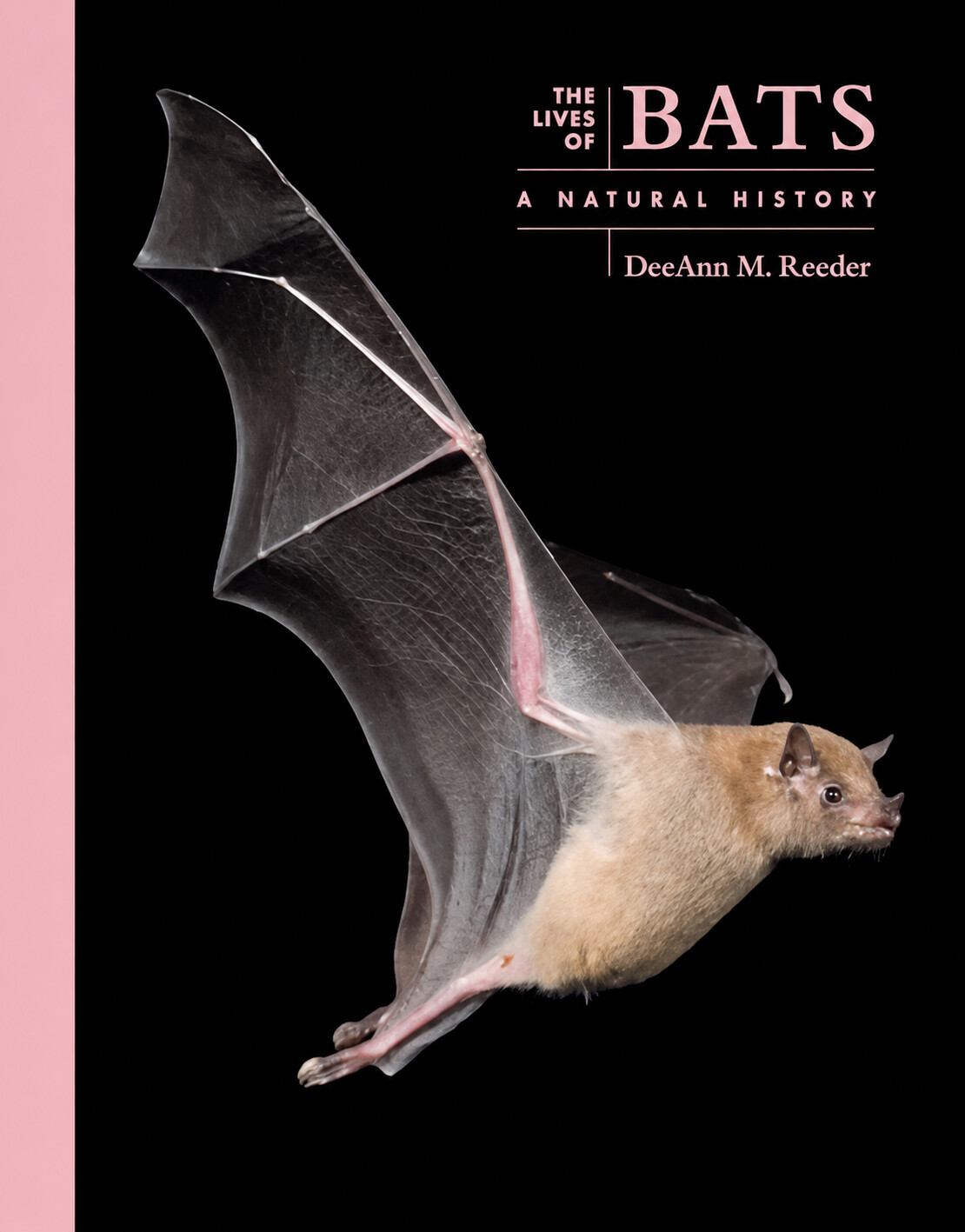
Author DeeAnn M. Reeder is professor of biology at Bucknell University and conducts bat research and conservation activities in both North America and Africa.
Bats are the second-largest order of mammals and inhabit almost every corner of the globe, but these secretive creatures are often maligned and misunderstood. With more than 1,400 species worldwide, they are crucial contributors to ecosystems, controlling insect populations and fulfilling an essential role as pollinators. This one-of-a-kind guide showcases the unique characteristics and extraordinary diversity of our planet’s bat life, providing an inviting introduction to these marvelous creatures. Written by a leading expert and packed with the latest scientific findings, The Lives of Bats blends diagrams and stunning photographs with in-depth coverage of profiled species to offer an incomparable look at these unsung heroes of the natural world.
Includes a wealth of stunning color photos
Features dozens of representative species profiles that demonstrate the remarkable diversity and adaptability of the only mammals on Earth capable of powered flight
Covers key topics such as anatomy, echolocation, diet, thermoregulation, mating, diseases, and immunity
Little brown bats do us a big favor. They eat huge numbers of insects! That helps limit the spread of diseases and the damage that insects do to farm crops. But in recent years, large populations of little brown bats have been dying off each winter. Is a virus killing them? Could climate change or pesticides be the cause? Or is it something else? Follow a team of dedicated scientists working to save the little brown bats in this real-life science mystery. By Sandra Markle. Reading level grade 5, but very advanced. 2025 sb.
Winifred F. Frick is Chief Scientist at Bat Conservation International and Adjunct Professor in the Department of Ecology and Evolutionary Biology at the University of California, Santa Cruz. M. Teague O’Mara is Director of Conservation Evidence at Bat Conservation International, Research Associate at the Smithsonian Tropical Research Institute and the Max Planck Institute of Animal Behavior, and Adjunct Professor in the Department of Biological Sciences at Southeastern Louisiana University.
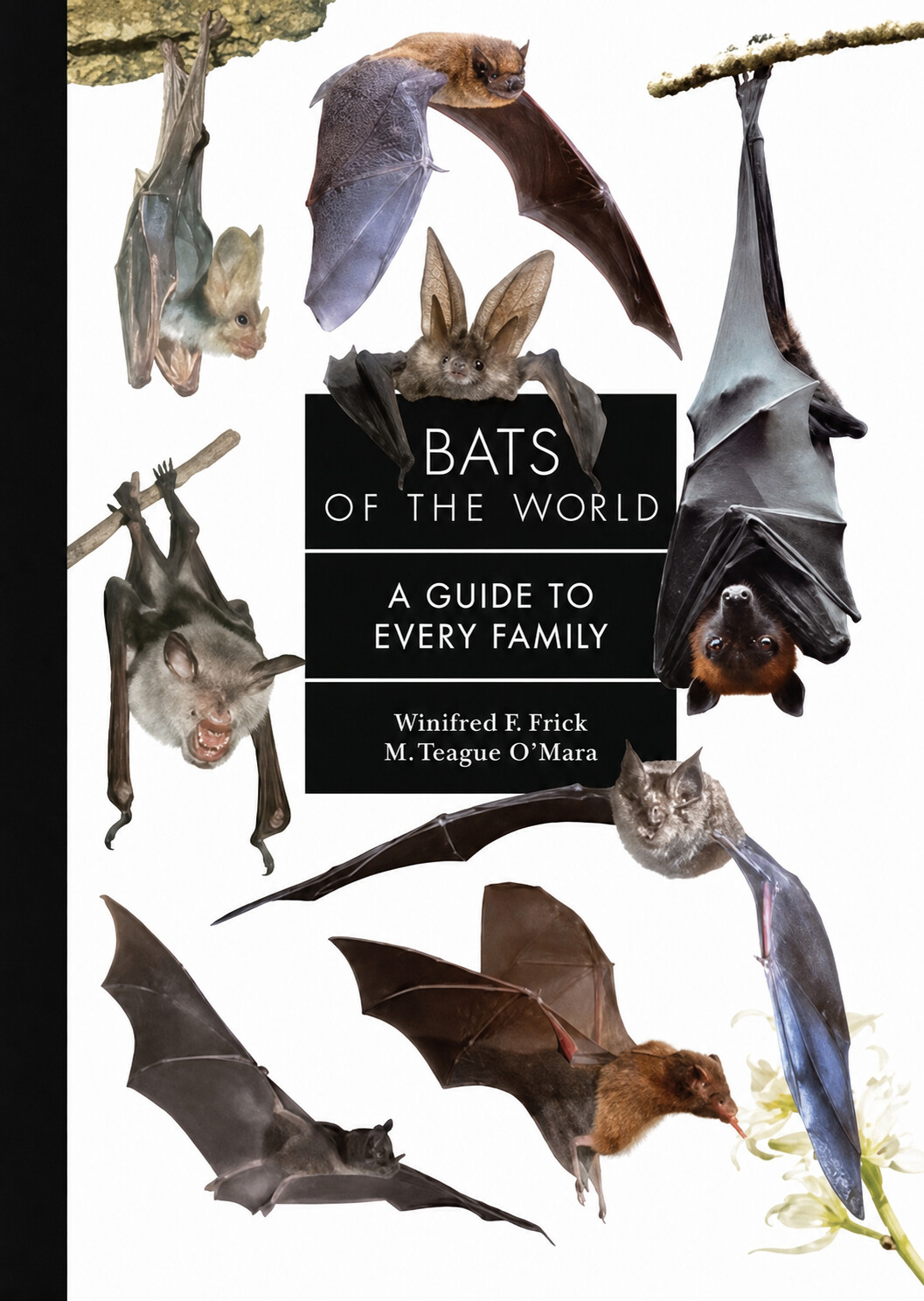
The only mammals capable of flight, bats are found on every major continent on the planet. They perform crucial roles in the ecosystems they inhabit, from consuming insect pests over agricultural crops and forests to pollinating night-flowering plants, dispersing seeds in tropical biomes, and recycling nutrients and creating natural fertilizer. Many of the world’s 1,400 species are threatened or endangered due to habitat destruction, climate change, and persecution arising from harmful myths. This beautifully illustrated guide demystifies these fascinating creatures, blending the latest science with fact-filled profiles of representative species, from the tiny bumblebee bat to the imposing giant golden crowned flying fox. A must for bat lovers everywhere, Bats of the World showcases the extraordinary diversity of this incredible group of animals.
Features a wealth of stunning color photos and engaging infographics
Shares invaluable insights into the anatomy, evolution, and behavior of bats and their cultural and ecological importance
Profiles bats from every family, detailing their unique features, distribution, numbers, conservation status, and habitat
Written by leading experts in bat ecology and conservation
Published:
Mar 3, 2026
Pages:
240
Size:
6.75 x 9.5 in.
Illus:
300 color photos.
Shop Educational Bat Books For K-12
Use age guidance and subject details to match each title to a lesson, school library or curious reader.