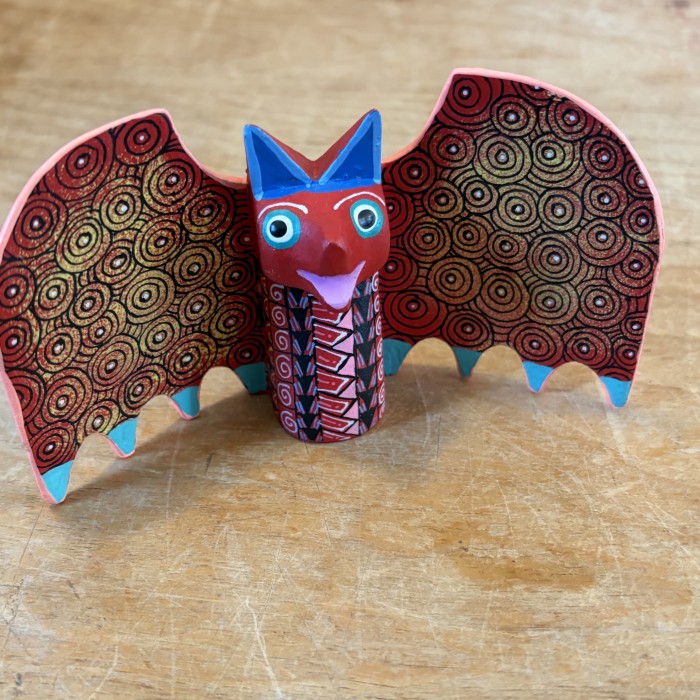
2 /12 inches. Each signed by artist Torrez in Oaxaca, Mexico. Each is individually carved and painted. Order by basic background color. Every one is different. A fanciful part of a prized Mexican folk art tradition. Noted for their brilliant colors and fine craftsmanship, the figures show the talent, imagination and creative flair of the region's renowned carvers who are descendants of the pre-Columbian, Zapotec culture living in the southern Mexican state of Oaxaca.
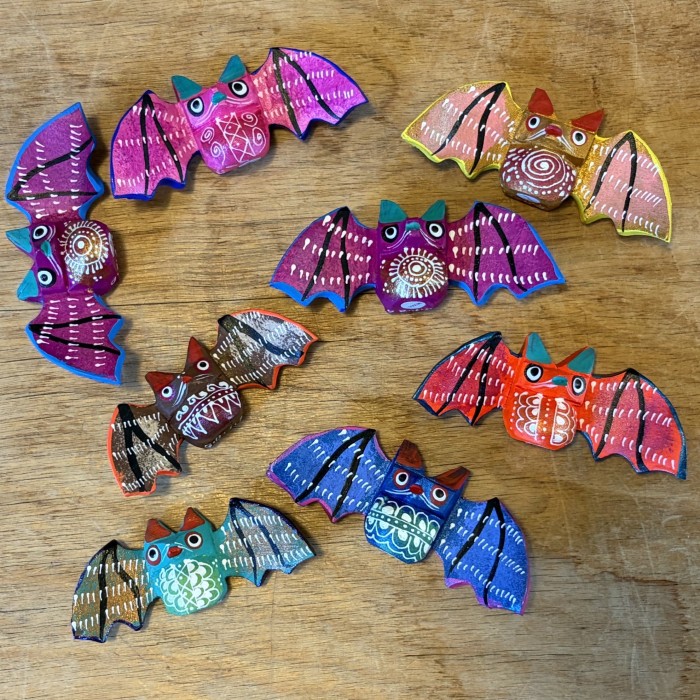
2 1/4 inches wide. Each is individually carved and painted. Order by basic background color. Every one is different. A fanciful part of a prized Mexican folk art tradition. Noted for their brilliant colors and fine craftsmanship, the figures show the talent, imagination and creative flair of the region's renowned carvers who are descendants of the pre-Columbian, Zapotec culture living in the southern Mexican state of Oaxaca.
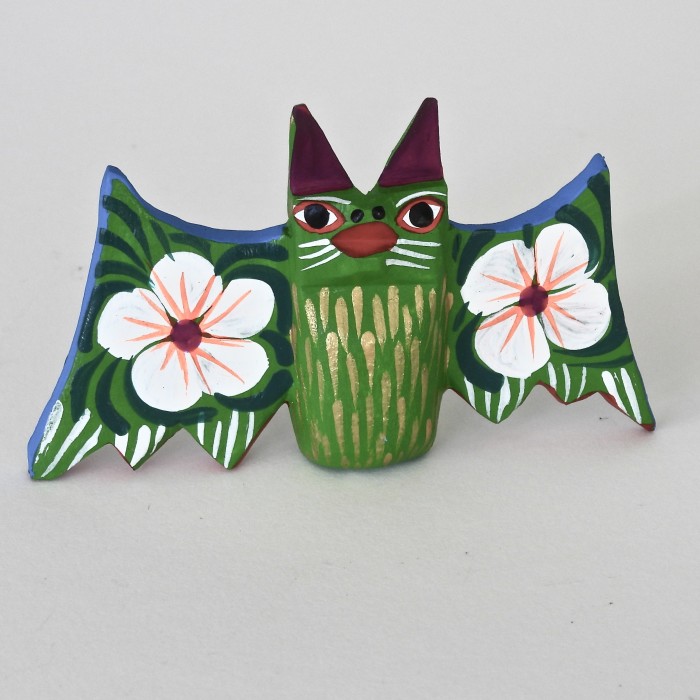
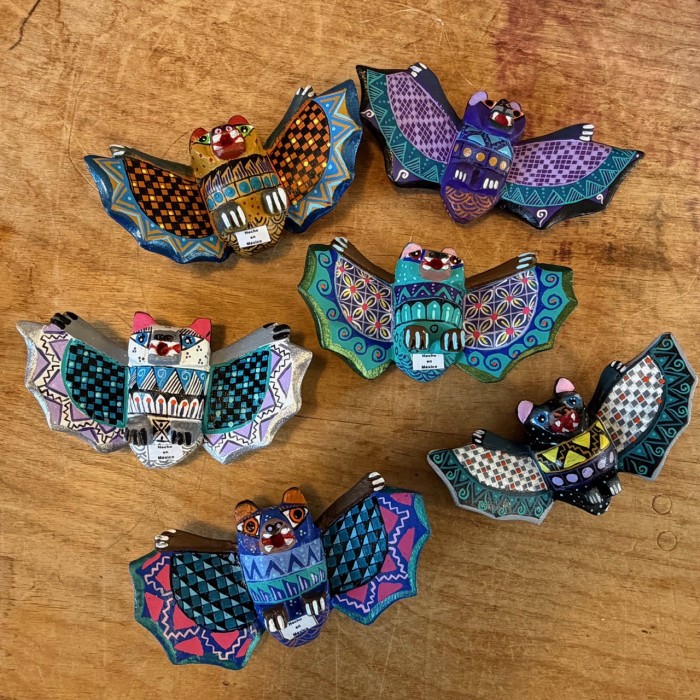
3 3/4 inches wide. Each signed by artist; Munoz. Each is individually carved and painted. Every one is different. Images show typical color combinations. Your figure could vary in design or color. A fanciful part of a prized Mexican folk art tradition. Noted for their brilliant colors and fine craftsmanship, the figures show the talent, imagination and creative flair of the region's renowned carvers who are descendants of the pre-Columbian, Zapotec culture living in the southern Mexican state of Oaxaca. 4 inches.
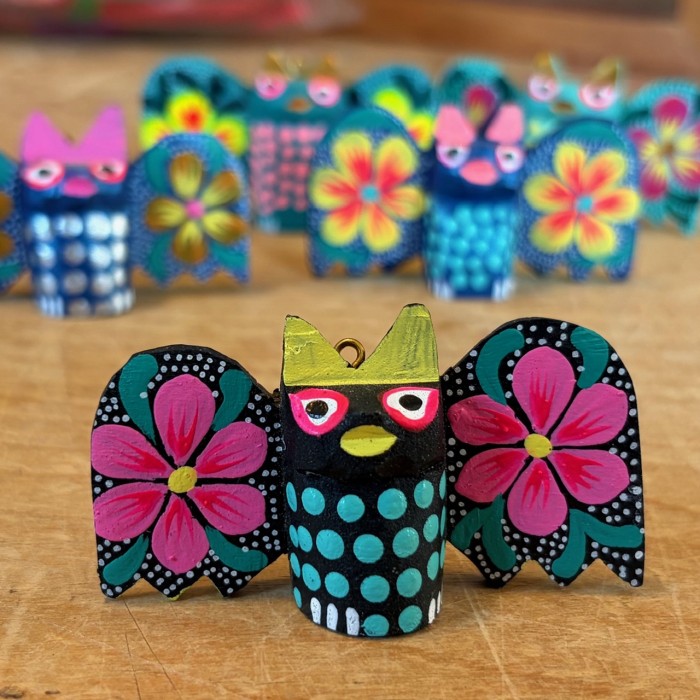
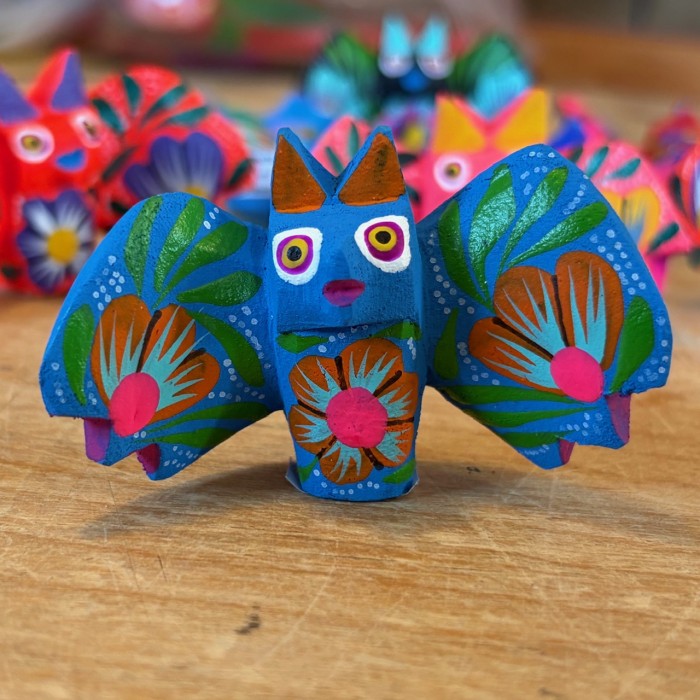
These fun Two inch tall bobble head bats are hand-carved and hand-painted Oaxacan woodcarvings. A fanciful part of a prized Mexican folk art tradition. Noted for their brilliant colors and fine craftsmanship, the figures show the talent, imagination and creative flair of the region's renowned carvers who are descendants of the pre-Columbian, Zapotec culture living in the southern Mexican state of Oaxaca.
Bat specimen cast from the original fossil found near Kemmerer, Wyoming in the fossil-rich Lower Green River Formation. Cast in durable museum quality HydroStone. Approximately 5 inches long. Specs: Icaronycteris index Early Eocene (40 m.y.a.). Lower Green River Formation. Kemmerer, WY
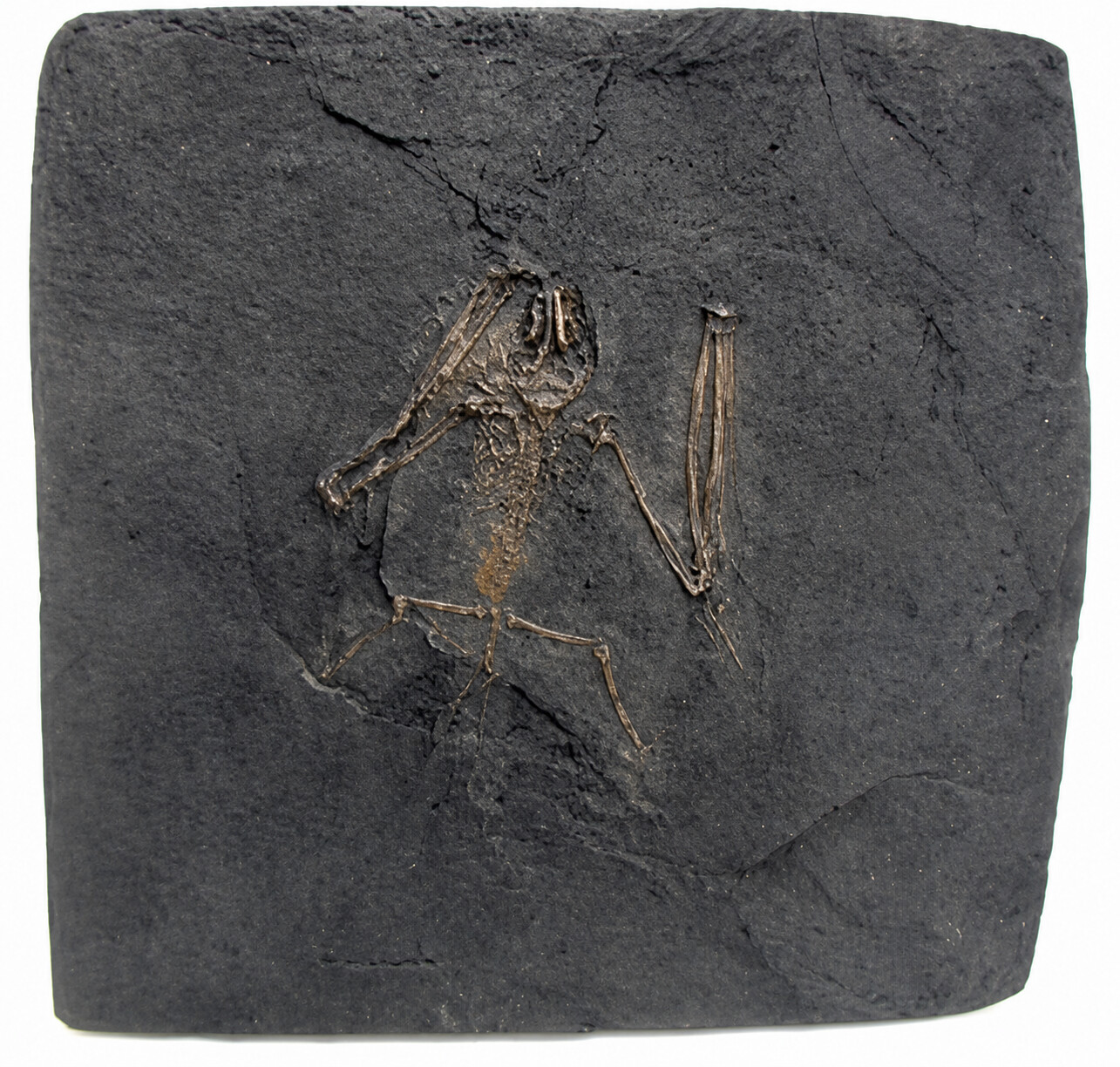
The Messel Pit located near Darmstadt, Germany is one of the richest sites for understanding the living environment of the Eocene at about 49 million years ago. Fossils from this site provide unique information about the early evolution of mammals. It includes exceptionally well preserved fossils ranging from fully articulated skeletons with stomach contents to this remarkably preserved bat including wing impressions. 5.5 x 5.5 inches.
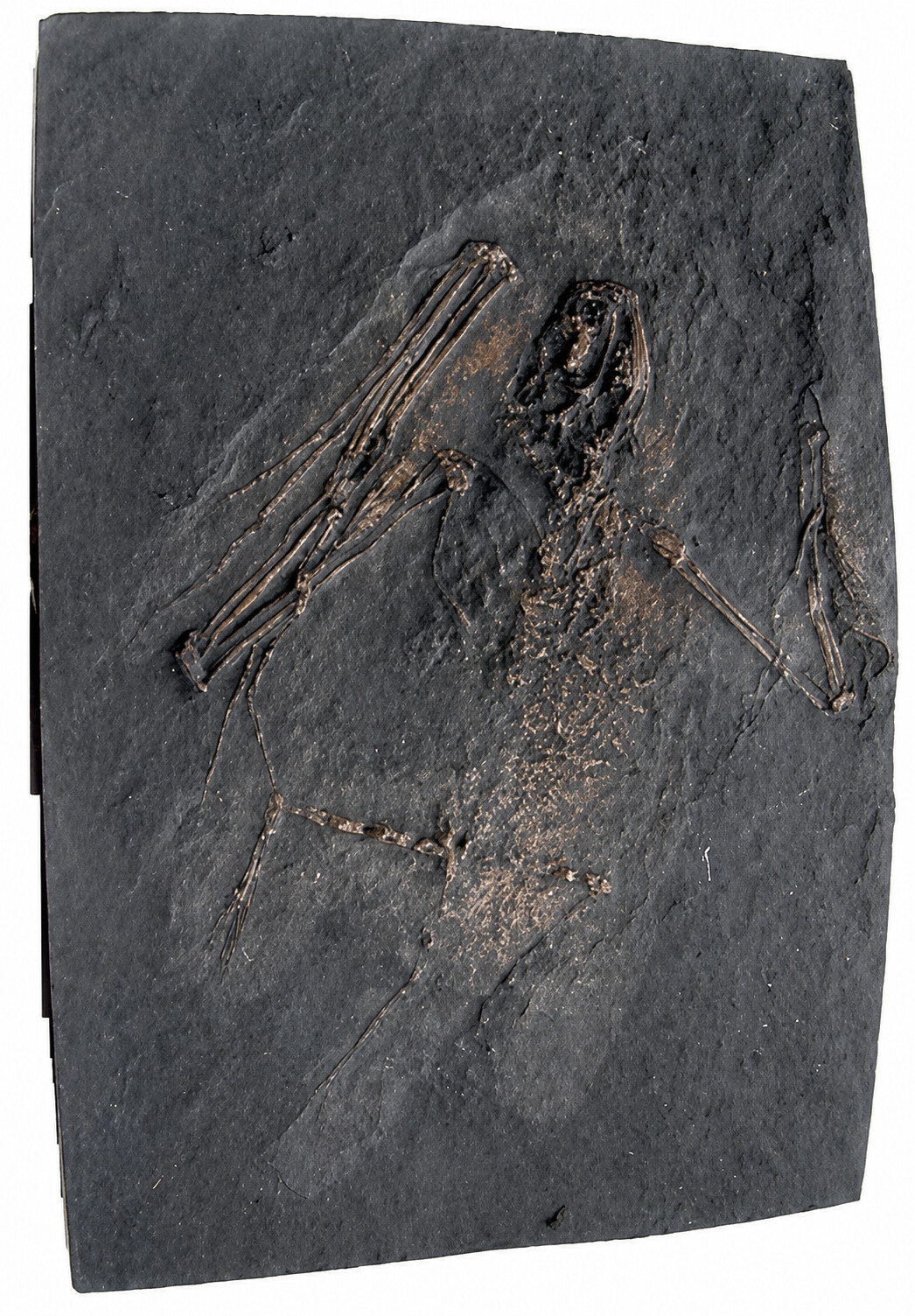
The Messel Pit located near Darmstadt, Germany is one of the richest sites for understanding the living environment of the Eocene at about 49 million years ago. Fossils from this site provide unique information about the early evolution of mammals. It includes exceptionally well preserved fossils ranging from fully articulated skeletons with stomach contents to this remarkably preserved bat including wing impressions. 3.5 x 2.5 inches.
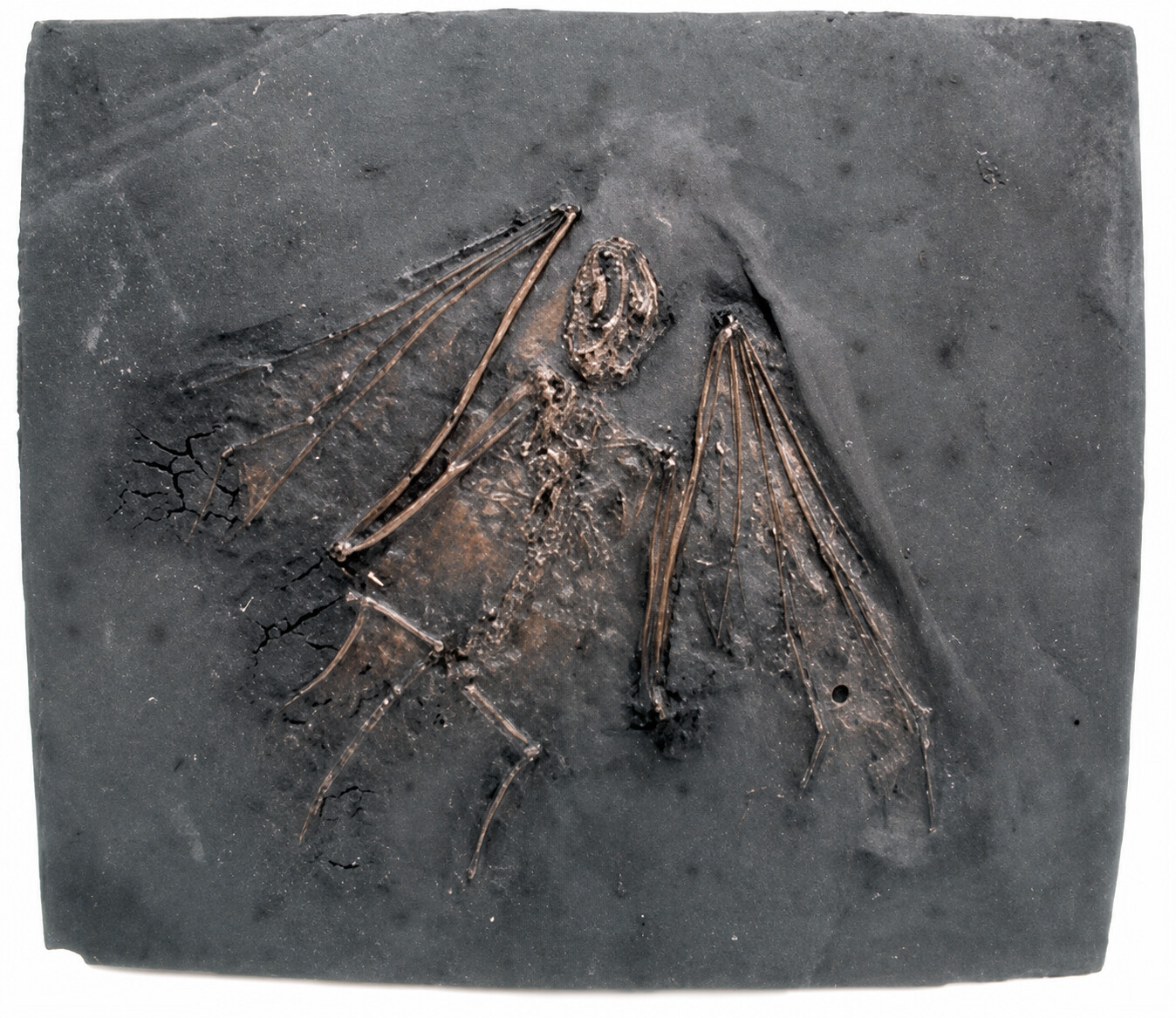
The Messel Pit located near Darmstadt, Germany is one of the richest sites for understanding the living environment of the Eocene at about 49 million years ago. Fossils from this site provide unique information about the early evolution of mammals. It includes exceptionally well preserved fossils ranging from fully articulated skeletons with stomach contents to this remarkably preserved bat including wing impressions. 4.25 x 3.75 inches.
Seven 6 inch bats balance on this mobile which measures 35 by 23 inches. This attractive piece can be positioned in a garden or on a patio, hung inside a porch, from the eaves or from a tree. A gentle breeze is all that is needed to set the bats in motion. Steel constructed with protective coating.
This small, hand carved tagua bat is an exquisitely detailed 2.75 inch figure standing on a base formed in the same nut the figure is carved from. It is a fair-trade item made in Ecuador. Tagua is a form of vegetable ivory harvested from ivory palms in South America. It is viewed as a sustainable alternative to ivory derived from animals, and responsible cultivation and harvesting of tagua may also help with rain forest conservation in South America.
2 1/2 inches. Each signed by artist Diaz in Oaxaca, Mexico. Each is individually carved and painted. Order by basic background color. Every one is different. A fanciful part of a prized Mexican folk art tradition. Noted for their brilliant colors and fine craftsmanship, the figures show the talent, imagination and creative flair of the region's renowned carvers who are descendants of the pre-Columbian, Zapotec culture living in the southern Mexican state of Oaxaca.
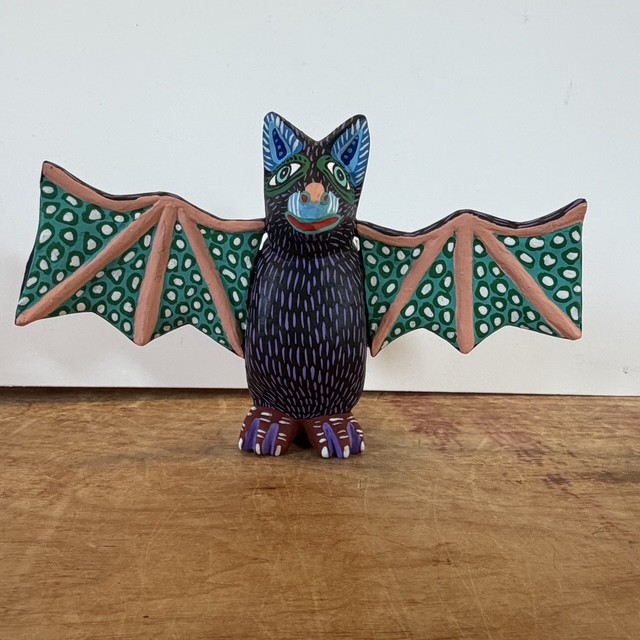
3 1/4 inches. Each signed by artist Mendez in Oaxaca, Mexico. Each is individually carved and painted. Order by basic background color. Every one is different. A fanciful part of a prized Mexican folk art tradition. Noted for their brilliant colors and fine craftsmanship, the figures show the talent, imagination and creative flair of the region's renowned carvers who are descendants of the pre-Columbian, Zapotec culture living in the southern Mexican state of Oaxaca.
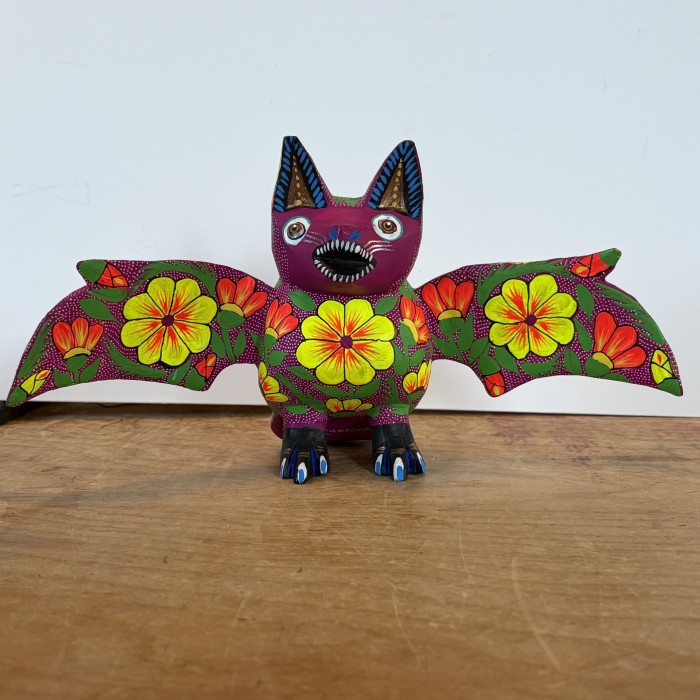
6 1/2 inches wide. Individually signed by artist Ramirez. Each is individually carved and painted. Order by basic background color. Every one is different. A fanciful part of a prized Mexican folk art tradition. Noted for their brilliant colors and fine craftsmanship, the figures show the talent, imagination and creative flair of the region's renowned carvers who are descendants of the pre-Columbian, Zapotec culture living in the southern Mexican state of Oaxaca.
3 1/2 inches wide. Individually signed by artist Matias Ramirez. Each is individually carved and painted. Order by basic background color. Every one is different. A fanciful part of a prized Mexican folk art tradition. Noted for their brilliant colors and fine craftsmanship, the figures show the talent, imagination and creative flair of the region's renowned carvers who are descendants of the pre-Columbian, Zapotec culture living in the southern Mexican state of Oaxaca.